


葡萄糖的酶法測定方法詳細操作事項
來源:http://www.nttdr.com 日期:2019-07-11 發布人:admin
葡萄糖氧化酶法葡萄糖氧化酶法原理如下: 葡萄糖被葡萄糖氧化酶氧化生成葡萄糖酸和H2O2,H2O2又經辣根過氧化物酶作用,合成出氧,將無色的4-氨基安替比林和苯酚偶聯氧化,并縮合成紅色醌亞胺,其顏色深淺與葡萄糖濃度呈正比,在530 nm下的吸收峰度值會隨葡萄糖濃度的加而增加。應用這一原理能夠測定葡萄糖含量。
The principle of glucose oxidase method is as follows: Glucose is oxidized by glucose oxidase to produce gluconic acid and hydrogen peroxide, and then hydrogen peroxide reacts with horseradish peroxidase to synthesize oxygen. Colorless 4-aminoantipyrine and phenol are oxidized by coupling, and red quinone imide is synthesized by condensation. In direct proportion, the absorption peak at 530 nm increases with the increase of glucose concentration. This principle can be used to determine the content of glucose.
葡萄糖氧電極法:葡萄糖氧電極法的原理是采用氧耗費速率檢測葡萄糖,首先將氧電極置于含有適量葡萄糖氧化酶的溶液中,然后參加待測樣品,樣品中的葡萄糖被氧化而耗費氧。由于氧耗費量與血糖濃度呈正比,而電極的極限擴散電流又與溶液中的氧含量呈正比,因而,氧電極值即可反映樣品中血糖濃度。采用電化學聚合技術,用摻雜苯磺酸鈉的聚吡咯( PPy) 導電薄膜修飾鉛筆芯電極,在修飾電極外表吸附葡萄糖氧化酶制備了葡萄糖生物傳感器。該生物傳感器抗干擾才能強、穩定性好,響應電流和葡萄糖濃度在0~0.7 mmol /L 范圍內有良好的線性相關度,靈活度為26.10 uA/mmol /L,均勻響應時間約為6.5 s,檢測下限為47.2 mol /L。
Glucose Oxygen Electrode Method: The principle of Glucose Oxygen Electrode Method is to use oxygen consumption rate to detect glucose. First, the oxygen electrode is placed in a solution containing appropriate amount of glucose oxidase, and then participates in the sample to be tested. The glucose in the sample is oxidized and consumes oxygen. Oxygen consumption is proportional to blood sugar concentration, and the limiting diffusion current of the electrode is proportional to the oxygen content in the solution. Therefore, the oxygen electrode value can reflect the blood sugar concentration in the sample. The pencil-core electrode was modified by polypyrrole (PPy) film doped with sodium benzenesulfonate by electrochemical polymerization. Glucose biosensor was prepared by adsorbing glucose oxidase on the surface of the modified electrode. The biosensor has strong anti-jamming ability and good stability. The response current and glucose concentration have good linear correlation in the range of 0-0.7 mmol/L. The flexibility is 26.10 uA/mmol/L, the uniform response time is about 6.5 s, and the detection limit is 47.2 mol/L.
納米資料模仿酶比色法:葡萄糖氧化酶傳感器檢測葡萄糖濃度,具有專注性高、反響速度快等特性。但酶自身固有的不穩定性,易受溫度、濕度以及pH 值等環境條件的影響而失去活性,而且葡萄糖氧化酶價錢昂貴、制備復雜,這在一定水平上限制了酶傳感器的應用。應用具備催化活性的納米資料,可以研制無酶葡萄糖傳感器。基于CeO2NPs 催化TMB 顯色反響與H2O2濃度的線性關系,構建了測定血樣中葡萄糖的模仿酶比色剖析檢測辦法。他們首先合成了一種穩定和水溶性的聚丙烯酸修飾的CeO2NPs,發現CeO2 NPs 可以催化H2O2氧化,表現出過氧化物模仿酶的催化活性。在優化條件下,對葡萄糖的線性響應范圍為0.5~10 mmol /L,檢出限為0.1 mmol /L。對1.0 mmol /L 葡萄糖停止11 次平行測定,其相對規范偏向為2.4 %。即便果糖、乳糖和麥芽糖的濃度高達5 mmol /L,也不會干擾葡萄糖的測定,具有很高的選擇性。
Nanodata mimic enzyme colorimetry: Glucose oxidase sensor detects the concentration of glucose, which has the characteristics of high concentration, fast response and so on. However, the inherent instability of the enzyme itself, which is vulnerable to temperature, humidity and pH and other environmental conditions, makes it inactive. Moreover, the cost of glucose oxidase is expensive and its preparation is complex, which limits the application of the enzyme sensor to a certain extent. Enzyme-free glucose sensor can be developed by using nano-materials with catalytic activity. Based on the linear relationship between the color reaction of TMB catalyzed by CeO2 NPs and the concentration of hydrogen peroxide, a colorimetric analysis method for the determination of glucose in blood samples by mimetic enzyme was constructed. They first synthesized a stable and water-soluble polyacrylic acid-modified CeO_2 NPs, and found that CeO_2 NPs could catalyze the oxidation of H_2O_2, showing the catalytic activity of peroxidase mimicking enzyme. Under the optimum conditions, the linear response range for glucose was 0.5-10 mmol/L, and the detection limit was 0.1 mmol/L. For 1.0 mmol/L glucose, 11 parallel measurements were stopped, and the relative standard deviation was 2.4%. Even if the concentration of fructose, lactose and maltose is as high as 5 mmol/L, it will not interfere with the determination of glucose and has high selectivity.
無酶型葡萄糖電化學法:無酶葡萄糖電化學法也是不運用葡萄糖氧化酶的葡萄糖測定辦法,具有較高的穩定性、良好的重現性和本錢低廉等特性,近年來得到了快速開展。目前,曾經有單一金屬( Pt,Pd,Au 等) 、雙金屬( Pt-Au,Pt-Pb,Pt-Ru,Pt-Bi,Pt-Ti 等) 及碳納米管、碳纖維、介孔碳等納米資料被用于無酶型葡萄糖電化學傳感器的研制。經過電化學堆積的辦法將Pt-Pd 雙金屬納米粒子堆積在裂解碳納米管修飾的電極外表上,制備了Pt-Pd /UCNTs 無酶葡萄糖傳感器。該傳感器對0~20 mmol /L濃度范圍內的葡萄糖有良好的響應,不受Cl u等物質的干擾,表現了良好的選擇性。
Enzymatic-free glucose electrochemical method: Enzymatic-free glucose electrochemical method is also a glucose determination method without using glucose oxidase. It has high stability, good reproducibility and low cost, and has been developed rapidly in recent years. At present, single metal (Pt, Pd, Au, etc.), bimetal (Pt-Au, Pt-Pb, Pt-Ru, Pt-Bi, Pt-Ti, etc.) and carbon nanotubes, carbon fibers and mesoporous carbon have been used in the development of enzyme-free glucose electrochemical sensors. Pt-Pd/UCNTs enzyme-free glucose sensor was prepared by electrochemical deposition of Pt-Pd bimetallic nanoparticles on the surface of the electrode modified by pyrolysis carbon nanotubes. The sensor has a good response to glucose in the concentration range of 0-20 mmol/L, and is not disturbed by Cl u and other substances, showing good selectivity.
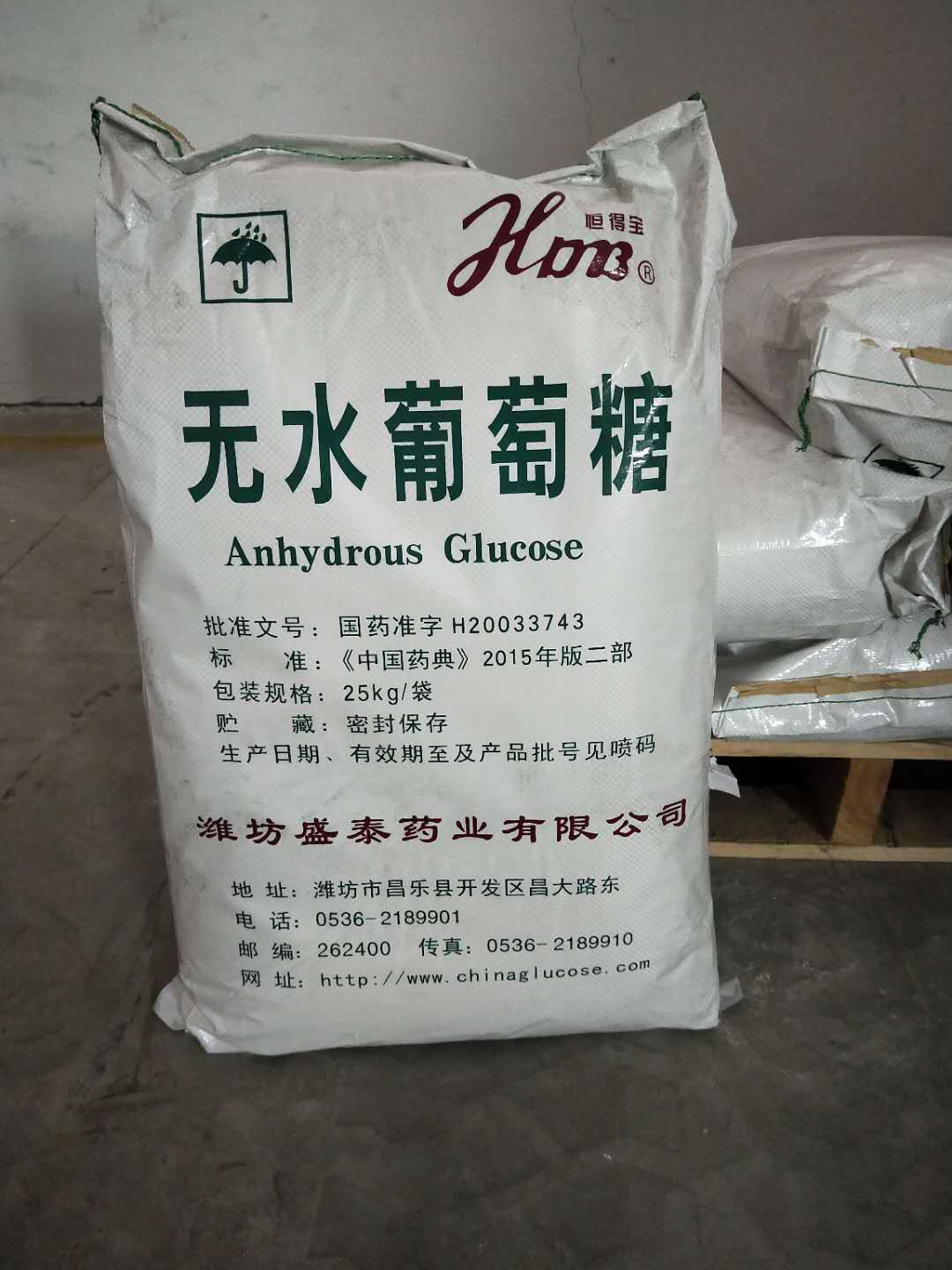
以上就是給大家分享的內容了,想要了解更多的精彩內容請點擊進入我們的網站http://www.nttdr.com,或者是搜索我們的關鍵詞無水葡萄糖查找,我們會有更多的精彩內容與您分享!
The above is for you to share. For more exciting content, please click on our website http://www.nttdr.com or search for our keyword anhydrous glucose. We will have more exciting content to share with you!