


污水處理為什么需要添加工業葡萄糖?
來源:http://www.nttdr.com 日期:2020-11-20 發布人:admin
大家都知道葡萄糖根據含量和純度的不同分為食品葡萄糖和工業葡萄糖,當我們做食品添加劑或者食用的時候需要使用的是食品葡萄糖,對葡萄糖要求沒有那么高工業用的話就選擇工業葡萄糖。食品葡萄糖可以補充我們身體所需的能量物質,而工業葡萄糖同樣可以補充污水處理中所需的養分。隨著我國污水廠規模的日益加大,污水處理廠每天污水處理量不斷的上漲,工業葡萄糖用量這幾年也是不斷的上漲。今天我們無水葡萄糖廠家就來講解下污水處理為什么要添加工業葡萄糖?
We all know that glucose can be divided into food glucose and industrial glucose according to the content and purity. When we are making food additives or eating, we need to use food glucose. If the requirements for glucose are not so high, industrial glucose should be selected. Food glucose can supplement the energy needed by our body, while industrial glucose can also supplement nutrients needed in sewage treatment. With the increasing scale of sewage treatment plants in China, the daily sewage treatment capacity of sewage treatment plants is increasing, and the industrial glucose consumption is also rising in recent years. Today, we anhydrous glucose manufacturers will explain why industrial glucose should be added to wastewater treatment?
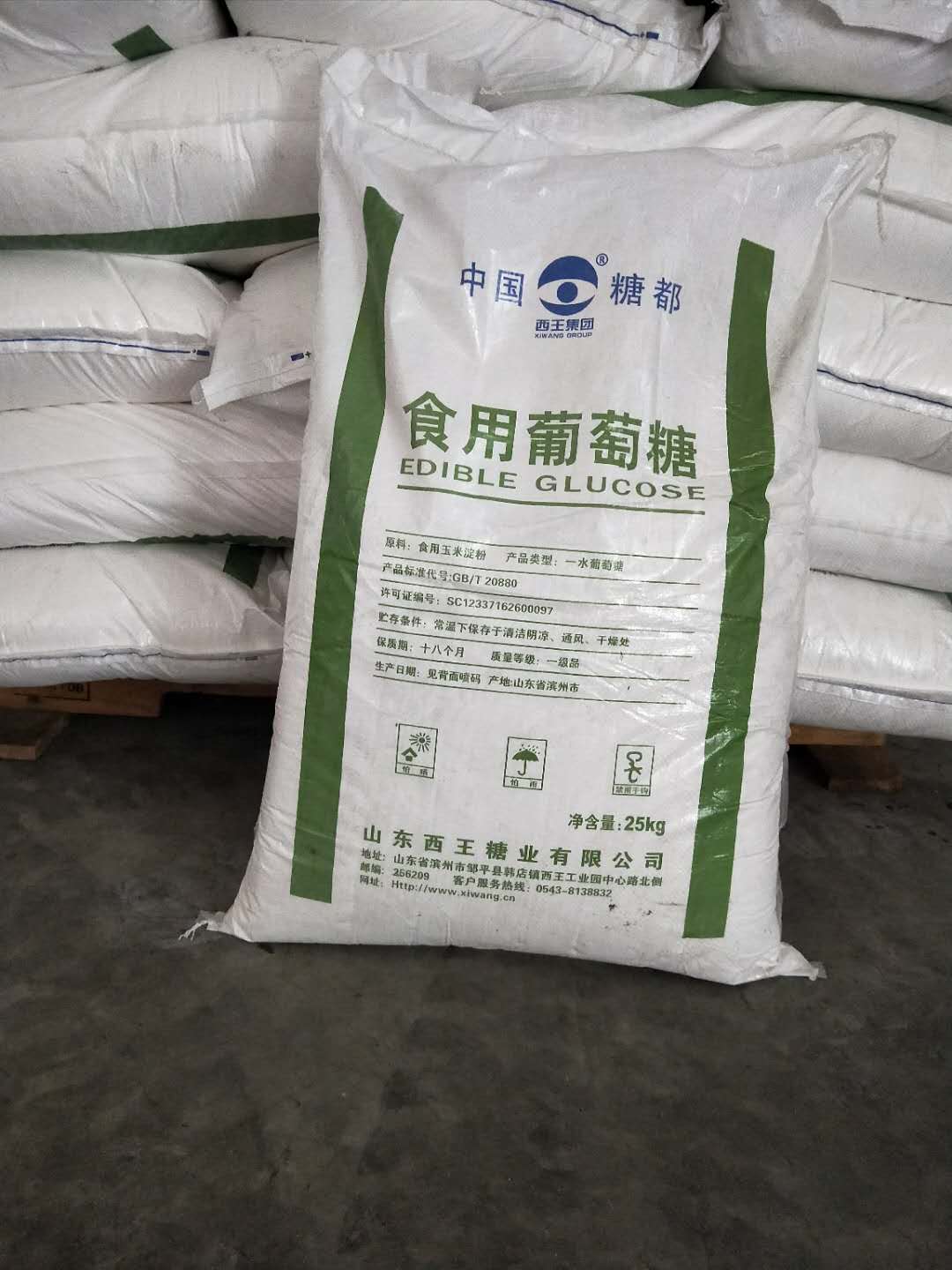
工業葡萄糖應用于生活飲用水,工業用水,生活用水,生活污水和工業污水處理,工業葡萄糖對生活飲用水及各種工業用水凈化處理有著明顯的效果。污水處理調試期間投加工業葡萄糖等是為了提供碳源,這是為了更好的培養細菌,提高污水的可生化性。污水處理中作為污泥營養源,比尿素來得快,若運行的系統中COD、BOD不足以供給菌種生長繁殖的話,就需要另外投加,以防污泥老化,生物活性降低。生化池在運行過程中,當微生物一旦受到負荷(水量、濃度)的沖擊,COD去除率會突然下降,嚴重時污泥會從生物填料上脫落,使出水變混。這時應立即停止進水,往生化池內投放污水處理專用葡萄糖以降低污泥負荷,當污泥的沉降性能有所恢復后,可采取污泥馴化的快速增殖法,在生化池內投加生活污水或投放廢酒精或用干面粉燒熟的濕漿糊,投加污水處理專用葡萄糖,2-3天后開始進水并逐日增加進水量,直到微生物恢復正常。
Industrial glucose is used in drinking water, industrial water, domestic water, domestic sewage and industrial sewage treatment. Industrial glucose has obvious effect on the purification of drinking water and various industrial water. During the commissioning of sewage treatment, industrial glucose is added to provide carbon source, which is to better cultivate bacteria and improve the biodegradability of sewage. As a nutrient source of sludge in sewage treatment, it is faster than urea. If COD and BOD in the running system are not enough for the growth and reproduction of bacteria, additional dosing is needed to prevent sludge aging and reduce biological activity. During the operation of biochemical tank, once the microorganism is impacted by the load (water quantity and concentration), the COD removal rate will drop suddenly, and the sludge will fall off from the biological filler and make the effluent mixed. At this time, the influent water should be stopped immediately, and the special glucose for sewage treatment should be put into the biochemical tank to reduce the sludge load. When the sedimentation performance of the sludge has been restored, the rapid multiplication method of sludge domestication can be adopted. Domestic sewage or waste alcohol or wet slurry cooked with dry flour powder are added into the biochemical tank, and the special glucose for sewage treatment is added. After 2-3 days, the water will start to flow and increase daily Amount of water until the microorganism returns to normal.
工業葡萄糖一般加在厭氧和好氧系統里。就厭氧而言,主要考慮因素為酸化程度,進水COD,反應在指標上即PH,VFA,COD。COD一般不用考慮,這在均質池(綜合調節池)就可以調節的。PH較高,酸化不充分的情況下一般是需要加葡萄糖促進酸化。要根據進水水質情況來決定加多少。一般是加在進生化池前,用水溶解后加入。好氧而言,在不缺少BOD的情況下是不需要加的,缺少的話就要加了,因為缺少BOD的情況下,容易會產生硝化。
Industrial glucose is generally added to anaerobic and aerobic systems. In terms of anaerobic, the main factors to be considered are acidification degree, influent cod, and the reaction indexes are pH, VFA and cod. Generally, COD need not be considered, which can be adjusted in the homogenization tank (comprehensive regulating tank). When pH is high and acidification is not enough, glucose is needed to promote acidification. How much should be added depends on the quality of the influent water. It is usually added before entering the biochemical tank and dissolved in water. In terms of aerobic, there is no need to add BOD in case of lack of BOD. If it is lack of BOD, it is easy to produce nitrification.
以上就是關于污水處理為什么需要添加工業葡萄糖的介紹,希望對大家有所幫助,如想了解更多資訊內容請點擊我們的網站:無水葡萄糖廠家http://www.nttdr.com。
The above is about why industrial glucose should be added to sewage treatment. I hope it will help you. For more information, please click our website: anhydrous glucose manufacturers http://www.nttdr.com 。